Move the water before it reaches the wall
Sump pump installation and replacement, French and curtain drains, dry wells, downspout extensions, catch basins and regrading. The unglamorous half of waterproofing, and usually the half that decides whether it works.
Waterproofing manages water. Drainage removes it.
You can install the best interior system on the market and still have a wet basement if four downspouts are emptying against the foundation and the yard slopes back toward the house. Drainage is not the add-on at the bottom of the estimate. On a lot of properties around here it is the actual fix, and the interior system is the insurance policy.
The oldest fix in the trade, and still the best one
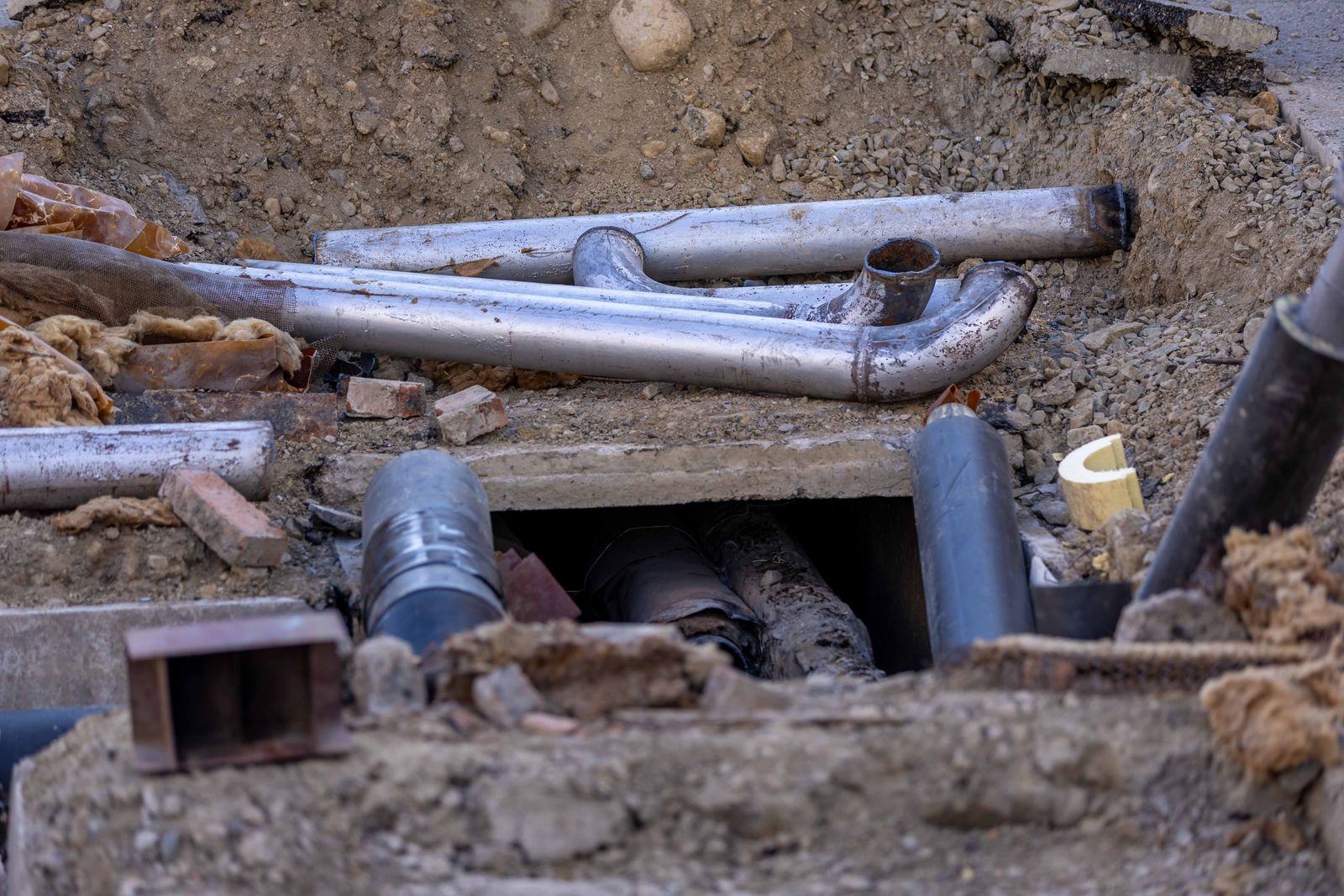
A trench, a perforated pipe, washed stone around it, filter fabric around that, and enough pitch that gravity does the work. It has not changed much in a century because it does not need to. Water takes the easiest route available, so you give it one that leads away from the house.
Where it goes wrong is always in the details. Solid pipe instead of perforated. No fabric, so the stone silts up. Crushed processed stone with fines in it instead of washed. Or a run laid flat because the grade was awkward, which turns the drain into a very long puddle.
- Perforated pipe, correct orientation, washed stone bed
- Filter fabric wrapping the stone so it does not silt up
- Real pitch across the full run, checked as it is laid
- Daylighted where the grade allows, tied to a pump where it does not
- Curtain drain uphill of the house on sloped lots
The one device your finished basement depends on
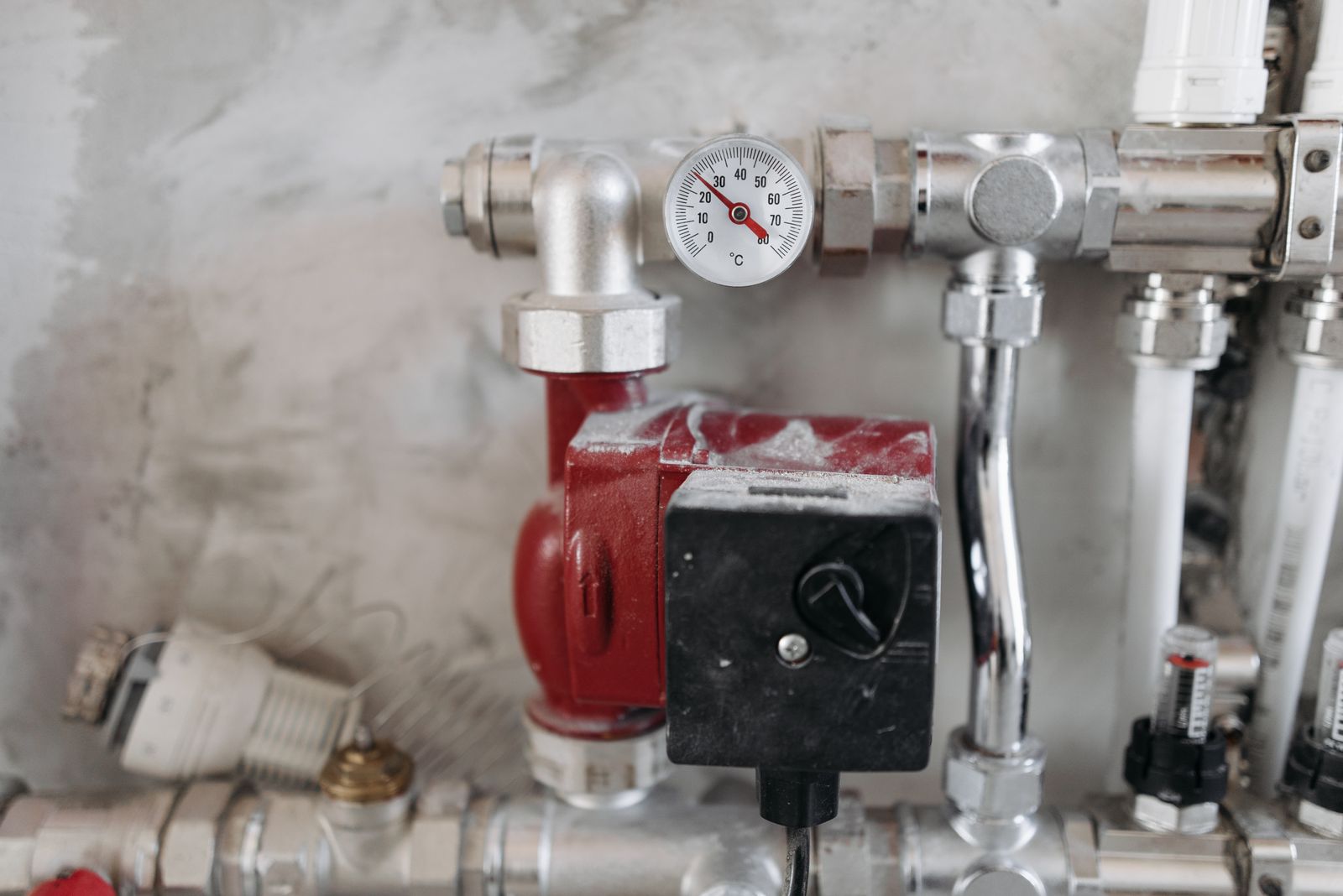
Everything else in a waterproofing system is passive. Pipe and stone do not fail suddenly. The pump is the only moving part, it is the only part with a power cord, and it is the part that decides whether a storm is an inconvenience or a claim.
Most of the failures we get called to are not the pump wearing out. They are a basin that was never sealed, a float that jammed against the wall of an undersized pit, a check valve installed backwards, a discharge that froze, or no backup on a night the power went out for nine hours.
- Pump sized to the water the house actually produces
- Sealed basin, which also keeps soil gas and humidity out
- Check valve so the pumped water does not fall straight back in
- Discharge run far from the foundation, pitched, freeze-resistant
- Battery backup, and an alarm that tells you before the floor does
- Second pump on properties where a failure is not survivable
Most wet basements start in the yard
None of this is exciting work. It is frequently the cheapest meaningful thing you can do to a house, and it gets skipped because it does not come with a system name.
Downspout extensions
Getting roof water ten feet out instead of dropping it at the corner of the foundation. Buried and daylighted where the yard allows it.
Regrading
Rebuilding positive slope away from the house. Settlement over the years quietly turns a good grade into a bowl that holds water against the wall.
Dry wells
A buried reservoir that accepts a surge of roof or surface water and lets it soak away slowly instead of all at once against the foundation.
Catch basins and channel drains
For driveways, patios and low spots that collect standing water, tied into a run that actually goes somewhere.
Window well drainage
Stone, a drain connection and a cover, so the well stops holding water against the glass and the wall below it.
Hardscape pitch
Patios, walks and stoops that settled toward the house, reset so they shed water away from it instead of funneling it back.
Water on the floor is a today problem
A pump that quit halfway through a storm. A crack that went from weeping to running. A cellar door taking water faster than it drains. Damage compounds by the hour once water is inside, so we run emergency and same-day calls rather than booking you for Thursday.
Backed by a 30-year warranty
A waterproofing system is only worth the paper behind it. Our work carries a 30-year warranty. Ask for the terms that apply to your job and we will read them with you before you sign anything, not after.
Drainage and sump pump questions
How do I know if my sump pump is failing?
Test it. Pour a bucket of water into the basin until the float lifts. It should start promptly, move the water out and shut off cleanly. Warning signs are a pump that runs constantly in dry weather, one that short cycles on and off, one that hums without pumping, and one that has quietly not run in two years because the float is stuck.
Do I need a battery backup?
If you have a finished basement, or anything down there you would be upset to lose, yes. The storms that put the most water in the ground are the same storms that take the power out. A primary pump with no backup is a pump that is offline exactly when it matters.
Where should the discharge line end?
Far enough from the house that the water does not simply return to the same soil, pitched so it drains, and terminated where it will not freeze shut in January or dump onto a neighbor's property. A discharge ending four feet from the wall is a very expensive recirculating pump.
What is the difference between a French drain and a curtain drain?
Construction is similar: perforated pipe, washed stone, filter fabric. The difference is intent. A French drain along the footing collects groundwater at the foundation. A curtain drain is placed uphill of the house to intercept water before it ever arrives. On a sloped lot the curtain drain is often the higher-value install.
Can a French drain clog?
Yes, and that is why the details matter. Pipe laid without filter fabric, or bedded in the wrong stone, silts up over a few years and stops working while looking perfectly fine from the surface. Washed stone, correct fabric and real pitch are what separate a drain from a buried pipe.
Will fixing the gutters really help?
A surprising amount of the time, yes. A roof sheds a lot of water, and putting it against the foundation is the single most efficient way to fill the soil around your house. Extending downspouts and correcting grade is cheap, unglamorous, and sometimes the whole answer.
Have the outside looked at first
It costs nothing, and on a good number of houses it is where the answer turns out to be.